Every spring, a friend of mine buys a big bunch of tulips, puts them on the kitchen table, and then spends the week sneezing. She blames the flowers. Usually she’s wrong. The real trouble is often the oak and birch pollen drifting through her open window, not the tulips on the counter. Sorting out which blooms actually cause problems is the first step toward a home and garden you can enjoy without a tissue box nearby.
Why some flowers make you sneeze and others don’t
It comes down to how a plant gets its pollen from one flower to the next. Wind-pollinated plants, such as grasses, ragweed, birch, oak, and juniper, release huge clouds of light, dry grains. They have to, because they’re gambling on the breeze. Those grains are tiny and travel for miles, so you breathe them in.
Insect-pollinated plants take a different approach. Their pollen is heavier, stickier, and often waxy, built to cling to a bee’s legs rather than float. It mostly stays put. That’s why a rose bush in the yard rarely bothers people the way a ragweed field does. Researchers have also noted that North American pollen seasons have grown longer and more intense over recent decades, so the baseline exposure is already higher than it used to be. It makes sense to cut down on the avoidable triggers.
Blooms that tend to be gentle on sensitive noses
No plant is guaranteed allergy-proof, and individual reactions vary. Still, these choices are widely recommended by allergists and horticulturists:
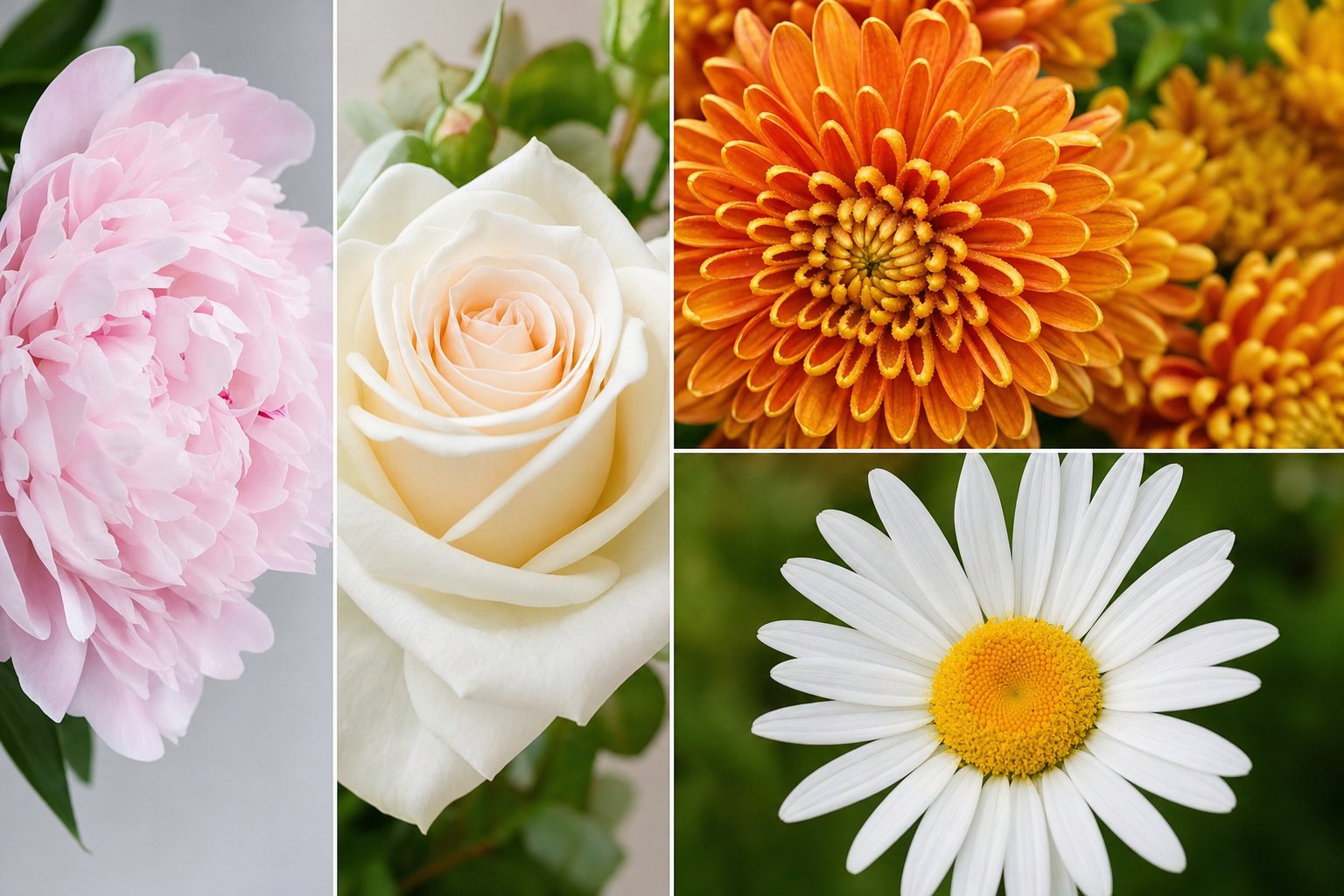
- Roses. Heavy, sticky pollen, and many double-flowered types barely expose their anthers. Choose modern hybrid teas or shrub roses over very fragrant old varieties if scent bothers you.
- Peonies. Big, full blooms with little airborne pollen. Ants are welcome, sneezes are not.
- Hydrangeas. Mophead types are mostly sterile showy florets, so there is very little pollen to release.
- Begonias, pansies, and violas. Reliable bedding plants that produce modest, non-airborne pollen.
- Geraniums (pelargoniums) and petunias. Easy container plants for porches and balconies.
- Snapdragons. The flower’s structure keeps pollen tucked inside, away from your nose.
- Orchids. Their pollen is packed into sticky masses called pollinia, so it isn’t airborne at all.
- Tulips and daffodils. Fine for most people. Daffodil sap, though, can irritate skin, so wear gloves when cutting.
The pollen-free cultivar trick
Plant breeders have developed sunflowers and some lilies that produce little or no pollen. Pollen-free sunflower varieties, sold under series names like ProCut, are bred mainly for florists but work well in a home garden. With regular lilies, you can gently snip off the orange anthers before the flower opens fully. Wear gloves, since the pollen stains skin and fabric badly.
Flowers worth keeping out of the vase
Some popular bouquet fillers are close relatives of ragweed, and people who react to ragweed often react to them too. Watch out for these:
- Chrysanthemums, daisies, and asters
- Standard sunflowers
- Goldenrod and yarrow
- Baby’s breath, which releases fine pollen and can irritate on its own
Here’s a quick reference for common choices:
| Usually better tolerated | More likely to cause trouble |
|---|---|
| Roses, peonies, hydrangeas | Chrysanthemums, daisies, asters |
| Orchids, begonias, pansies | Standard sunflowers, goldenrod |
| Snapdragons, petunias, geraniums | Baby’s breath, yarrow |
| Pollen-free sunflowers and lilies | Pollen-heavy lilies with open anthers |
Scent is a separate problem
This is the nuance most articles skip. Strong fragrance isn’t pollen, but it can still set off a runny nose, headache, or watery eyes, especially if you have nonallergic rhinitis. Hyacinth, jasmine, stargazer lilies, and gardenia are classic offenders. If your symptoms flare near a bouquet that should be “safe” on paper, try an unscented option like tulips or orchids before blaming pollen.
Practical habits that matter as much as plant choice
- Check the pollen count. Local forecasts, including those from the National Allergy Bureau, show which pollens are peaking so you can plan outdoor chores for low days.
- Garden after rain or in the evening. Pollen release usually peaks in the morning on warm, dry, windy days.
- Rinse cut flowers and wipe surfaces. A quick shake outdoors and a damp cloth under the vase prevent stray grains from settling.
- Shower and change after gardening. Pollen clings to hair and clothing and follows you to the pillow.
- Watch the soil, too. Damp potting mix can grow mold, which is a trigger of its own. Let the top layer dry between waterings.
- Use a HEPA filter in the bedroom during peak season, and keep windows closed on high-count days.
One more tip from experience: plan the garden by layers. Low-pollen shrubs like hydrangeas and roses in the front, and containers of begonias and geraniums near the door, give you color without much pollen. Meanwhile, removing ragweed and mugwort from your own yard does more for your nose than any flower swap.
Where to go from here
You don’t have to give up flowers to protect your sinuses. Favor insect-pollinated, double-flowered, or pollen-free varieties, skip the ragweed relatives, and take scent seriously as its own trigger. If symptoms persist, an allergist can run a skin or blood test to pinpoint exactly which pollens you react to. That’s far more reliable than guessing. Once you know your triggers, building a beautiful, low-pollen garden becomes a fun project rather than a gamble.