A few years ago I bought a clamshell of pretty petals at a farmers market in Oregon and scattered them over a salad for a dinner party. A guest asked, “Wait, can we eat these?” I said yes, confidently. Then I spent the next ten minutes quietly checking that I was right. I was, but the moment stuck with me. Flowers on a plate look harmless, yet the line between a garnish and a trip to urgent care is thinner than most people think.
Here is a practical guide to what is generally safe, what to leave alone, and the habits that keep edible flowers enjoyable.
Blooms that earn a place on your plate
Culinary use of flowers goes back centuries, from Roman rose petals to squash blossoms in Mexican cooking. These are the ones I reach for most often, with what they actually taste like:
- Nasturtium – peppery, like watercress. Leaves and flowers are both edible.
- Pansies and violas – mild and slightly grassy. They hold their color well on cakes.
- Calendula (pot marigold) – faintly tangy, with a saffron-like tint. Not the same plant as ornamental marigolds.
- Borage – cucumber-flavored blue stars, great in drinks. The fine hairs bother some people, so remove the green calyx.
- Chive blossoms – a mild onion bite. Pull the florets apart and sprinkle them over eggs or potato salad.
- Squash and zucchini blossoms – delicate and slightly sweet. Good stuffed or lightly fried.
- Roses – the more fragrant the variety, the better the flavor. Trim off the bitter white base of each petal.
- Lavender – English types (Lavandula angustifolia) are best. Use sparingly, because too much tastes like soap.
- Hibiscus – tart and cranberry-like. Dried calyces of Hibiscus sabdariffa make the classic agua de jamaica.
- Elderflower – floral and lightly musky. Use the cooked or steeped blossoms only, since other parts of the plant are toxic raw.
- Dandelion, bee balm, snapdragon, lilac, dianthus, and daylily – all edible when properly identified and grown without chemicals.
Even with this list, I’d suggest starting small. Try one or two blossoms the first time, since individual sensitivities vary.
Flowers to keep far from the kitchen
Some of the most beautiful garden plants are genuinely dangerous. The ones below can cause anything from stomach upset to serious heart or nerve problems:
- Foxglove – contains cardiac glycosides that can disrupt heart rhythm.
- Lily of the valley – also affects the heart. Even the water from a vase is a concern.
- Oleander – every part is highly toxic.
- Larkspur and delphinium – contain alkaloids that can cause weakness and breathing trouble.
- Monkshood (aconite) – among the most poisonous garden plants in North America.
- Azalea and rhododendron – contain grayanotoxins, the compounds behind so-called “mad honey” poisoning.
- Daffodil and other bulb flowers – can cause vomiting and cramping. Bulbs have been mistaken for onions.
- Hydrangea – contains compounds that can release cyanide-like substances.
- Sweet pea (Lathyrus odoratus) – not the same as the edible garden pea. Its seeds are toxic.
- Angel’s trumpet, datura, and lantana – potent and unpredictable.
- Wisteria, clematis, buttercup, hellebore, and bleeding heart – irritating or toxic to varying degrees.
A good rule: if you cannot name the exact species, it does not go in your mouth.
Look-alikes and name traps
Most mistakes do not come from eating something obviously dangerous. They come from confusing two plants that share a common name or a similar shape. Here are the pairs that trip people up most:
| Edible | Easily confused with | Why it matters |
|---|---|---|
| Calendula | Ornamental marigolds (Tagetes) | Only some Tagetes, such as Signet types, are palatable. Many are bitter and may irritate. |
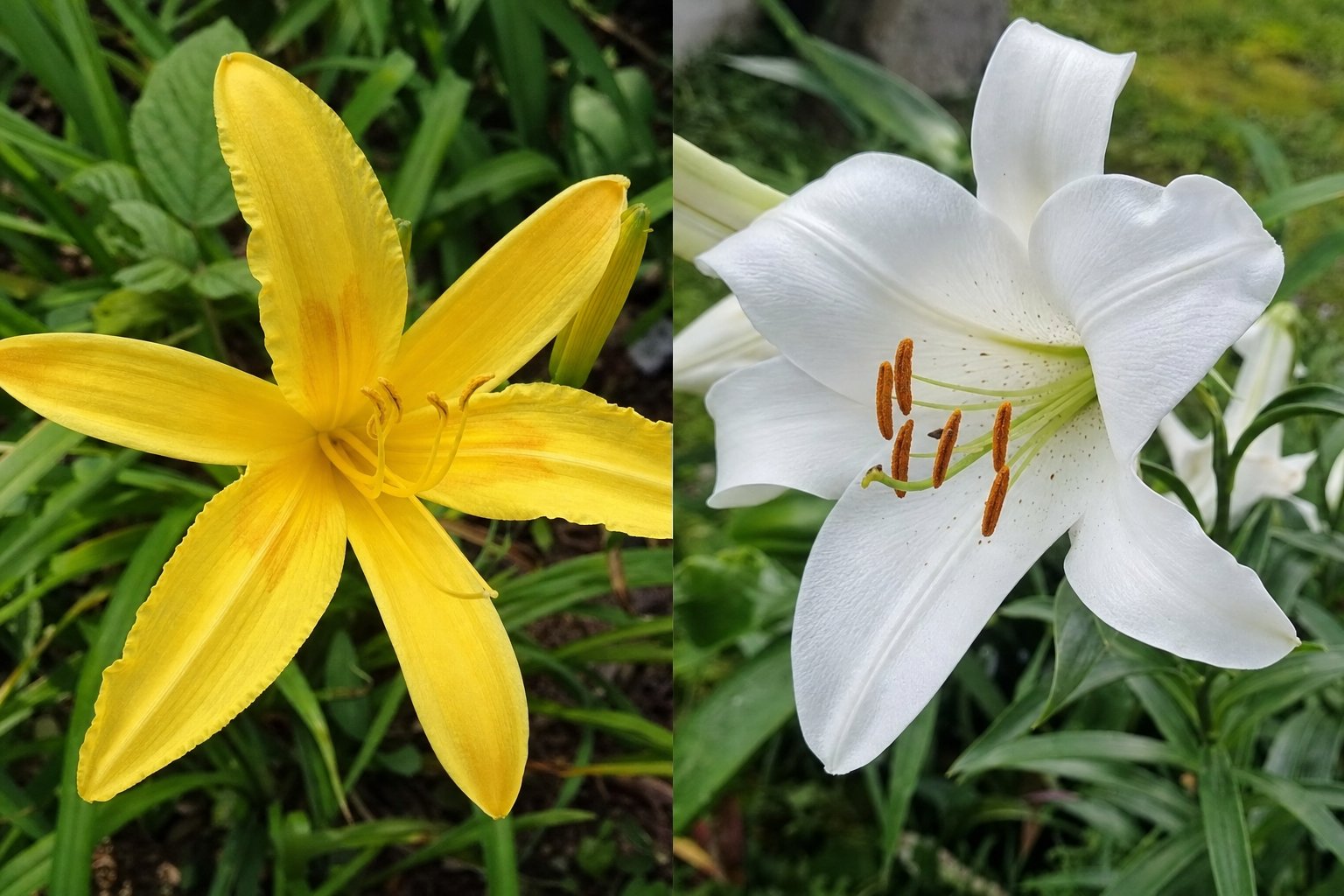
| Daylily (Hemerocallis) | True lilies (Lilium) | True lilies are not food. They are also dangerous to cats. |
| Elderflower | Poison hemlock, water hemlock | Flat white clusters look similar from a distance. Hemlock is deadly. |
| Edible pea blossoms | Sweet pea | Same shape and scent, very different safety. |
Wild foraging adds another layer of risk. If you are new to it, go out with an experienced local forager or use a regional field guide, and confirm every plant against more than one feature, such as leaf shape, stem and bloom structure.
Safe growing, sourcing, and serving
The plant itself is only half the question. How it was grown matters just as much.
- Skip florist flowers. Cut flowers and nursery plants are often treated with pesticides and systemic chemicals not approved for food use. Those “edible” bouquets at the grocery store are the exception, and only when they are labeled for eating.
- Avoid roadsides and lawns. Exhaust residue, herbicides, and pet waste are common.
- Grow your own if you can. A few pots of nasturtiums, violas, and chives on a sunny porch will supply a surprising amount of garnish.
- Harvest in the morning, after the dew dries but before the heat of the day. Flowers are crisper and more flavorful then.
- Eat petals, not the whole bloom. Remove stamens, pistils, and bitter bases, except for small blossoms like chive florets that are eaten whole.
- Rinse gently, shake off water, and store in a single layer in the fridge on a damp paper towel. Most last a day or two.
Allergies and special situations
Pollen is the main concern. People with hay fever or ragweed allergies may react to chamomile, chrysanthemum, or calendula, all in the daisy family. Those who are pregnant, nursing, or taking medication should check with a doctor before eating flowers regularly, since some, such as hibiscus, can have mild physiological effects. And keep in mind that these foods are not inspected the way produce is, so the responsibility for safety rests entirely with you.
If you suspect someone has eaten something toxic, call Poison Control at 1-800-222-1222 in the U.S. right away. Bring the plant, or a clear photo of it, to help with identification.
A confident, curious approach
Edible flowers are one of the easiest ways to make a simple dish feel special, and the safe list is longer than most people expect. The key habits are straightforward: identify precisely, source cleanly, eat in moderation, and when in doubt, leave it out. A good next step is to pick two or three safe varieties, such as nasturtium, viola, and chive blossoms, grow them for a season, and learn how each one behaves in the kitchen. From there, a regional foraging guide or a local extension office can help you branch out with confidence.